
The U.S. real estate market is entering a new phase in 2026—one where affordable housing investments are no longer just socially responsible, but strategically profitable. Rising interest rates, shifting demographics, and affordability pressures are pushing investors toward housing segments that offer stable demand, consistent cash flow, and long-term appreciation.
For smart investors, affordable housing is emerging as one of the most resilient asset classes in today’s evolving market.
Why Affordable Housing Is a Top Investment Strategy in 2026
Affordable housing demand continues to outpace supply across major and secondary U.S. markets. With wages struggling to keep up with home prices and rents, millions of households are seeking quality housing at attainable price points.
Key drivers fueling this trend include:
- Persistent housing shortages
- Population growth in secondary cities
- Rising construction and financing costs
- Increased renter households
- Government incentives and zoning support
For investors, this creates a rare opportunity: lower acquisition costs paired with high occupancy and dependable returns.
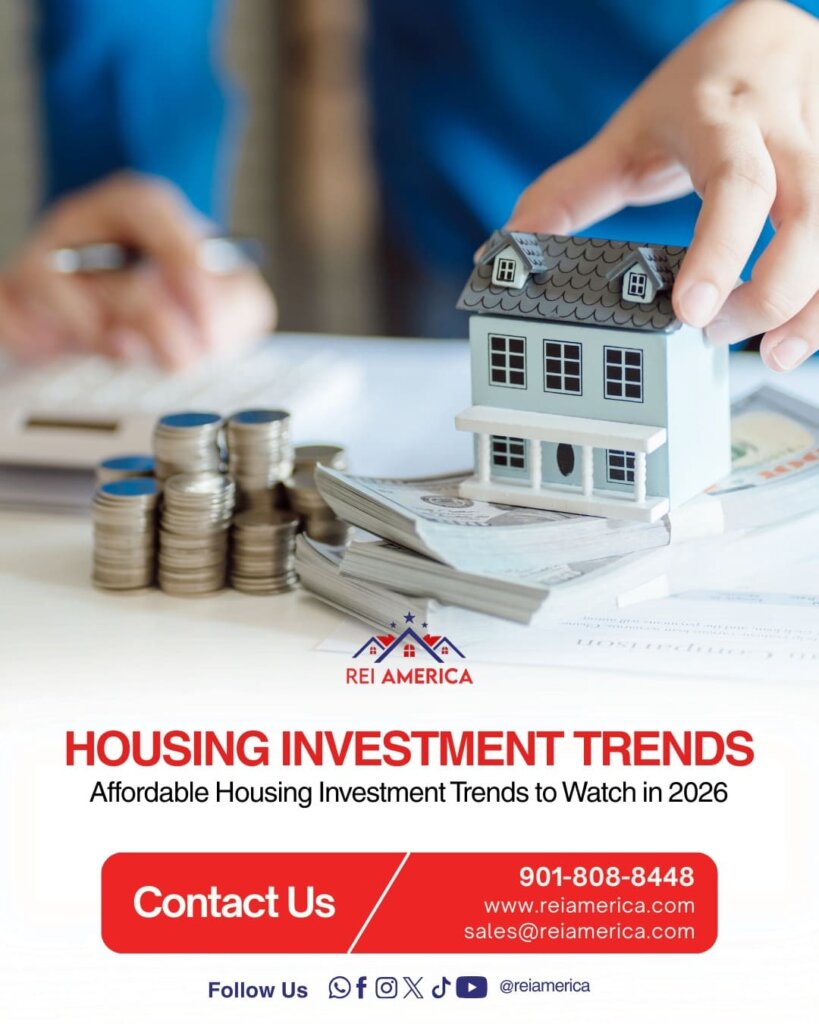
Top Affordable Housing Investment Trends to Watch in 2026
1. Workforce Housing Leads the Market
Workforce housing—designed for teachers, healthcare workers, first responders, and service professionals—remains one of the most stable investment segments. These properties typically fall between luxury rentals and subsidized housing, offering strong tenant retention and lower vacancy rates.
Why investors love it:
- Reliable tenant base
- Predictable rental income
- Less exposure to luxury market volatility
2. Build-to-Rent (BTR) Affordable Communities
Build-to-Rent continues to gain momentum, especially in suburban and high-growth metro outskirts. In 2026, developers are focusing more on smaller homes, efficient layouts, and cost-controlled construction to keep rents affordable while maintaining profitability.
Investor advantage:
- Scalable portfolios
- Lower maintenance than older multifamily assets
- High demand from families priced out of homeownership
3. Secondary & Tertiary Markets Outperform
Cities like Memphis, Birmingham, Indianapolis, and Kansas City are attracting investors due to affordable entry prices, job growth, and strong rental demand.
These markets offer:
- Higher cap rates
- Lower competition than coastal cities
- Strong cash-flow potential
At REI America, many investors are shifting capital from overpriced metros into these high-yield affordable housing zones.
4. Value-Add & Renovation Plays
Older properties in working-class neighborhoods are being repositioned through light renovations and energy-efficient upgrades. This allows investors to improve rents modestly while keeping units affordable.
Common value-add upgrades include:
- Energy-efficient appliances
- Smart thermostats
- Improved safety and curb appeal
This approach balances affordability with long-term asset appreciation.
5. Government Incentives & Public-Private Partnerships
In 2026, federal and local governments are expanding incentives for affordable housing development and renovation. Tax credits, zoning allowances, and financing support are making these deals more attractive for private investors.
Savvy investors are leveraging:
- Tax benefits
- Reduced development risk
- Long-term stability
Why Investors Are Choosing Affordable Housing Over Luxury Assets
Luxury housing is more vulnerable to market swings, interest rate changes, and tenant turnover. Affordable housing, on the other hand, benefits from non-cyclical demand—people always need homes they can afford.
Key benefits include:
- Lower vacancy risk
- Recession resilience
- Consistent rental income
- Long-term demand growth
How REI America Helps Investors Capitalize on Affordable Housing
At REI America, we specialize in identifying data-backed affordable housing investments that deliver real numbers—not hype. Our investors gain access to:
- Vetted properties in high-growth markets
- Strong cash-flow projections
- Exit-focused investment strategies
- Transparent analysis and market insights
Whether you’re a first-time investor or scaling a portfolio, affordable housing offers one of the most compelling opportunities in 2026.
Final Thoughts
Affordable housing is no longer a niche strategy—it’s a core pillar of smart real estate investing. As housing affordability challenges grow, investors who move early into this space will be best positioned for long-term success.
2026 belongs to investors who prioritize stability, demand, and sustainable returns.
